
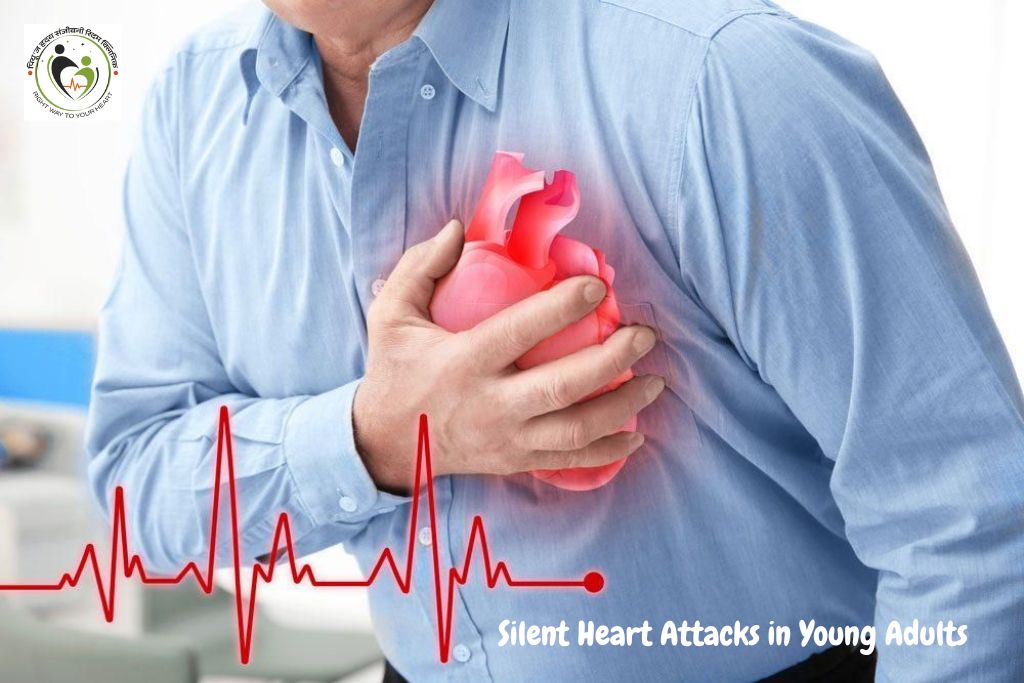
Heart disease is no longer limited to older adults. In recent years, cardiologists across India have noticed a significant increase in heart attacks among people in their 20s, 30s, and early 40s. Even more concerning is the rise of silent heart attacks, which occur without the dramatic symptoms most people expect.
Many patients only discover they had a heart attack during a routine ECG or 2D Echo. This makes awareness and early screening extremely important. Consulting an experienced cardiologist in Nashik at the right time can help detect hidden risks before they turn into emergencies.
A silent heart attack, medically called a silent myocardial infarction, happens when blood supply to part of the heart muscle is blocked. However, the symptoms are mild, vague, or sometimes completely absent.
Unlike severe chest pain seen in classic heart attacks, silent heart attacks may feel like:
Because these signs seem minor, many people ignore them.
A leading cardiologist in Nashik will often highlight lifestyle changes as the biggest reason behind this alarming trend.
Work pressure, financial responsibilities, lack of sleep, and constant digital exposure increase stress hormones, affecting heart health.
Long hours of sitting, minimal physical activity, and screen-based work reduce cardiovascular strength.
Fast food, processed snacks, sugary beverages, and high salt intake increase cholesterol and blood pressure.
Even occasional smoking significantly increases the risk of artery blockage in young adults.
Uncontrolled BP and high blood sugar silently damage blood vessels over time.
Genetics plays an important role in early heart disease risk.
Many patients assume they are “too young” for heart disease. This delay can be dangerous.
Consult a cardiologist in Nashik if you experience:
Even mild symptoms deserve evaluation
Early detection is possible through modern diagnostic tools:
Detects abnormalities in heart rhythm and electrical activity.
Evaluates heart muscle movement and pumping capacity.
Assesses heart performance under stress conditions.
Measure cardiac enzymes indicating heart muscle damage.
Identifies blockages in coronary arteries accurately.
Routine heart screening can detect early signs before major damage occurs.
Today, preventive cardiology is becoming more important than emergency treatment. Visiting a cardiologist in Nashik for regular checkups can help:
Prevention reduces the chances of emergency angioplasty or bypass surgery later.
Heart care should start early. Here’s what experts recommend:
At least 30 minutes of brisk walking, cycling, or jogging five days a week.
Abdominal fat significantly increases heart disease risk.
Focus on fruits, vegetables, whole grains, lean protein, and healthy fats.
Practice meditation, yoga, or breathing exercises daily.
Stopping smoking drastically reduces heart risk within months.
7–8 hours of quality sleep is essential for heart health.
Small consistent habits can prevent major cardiac problems.
Immediate consultation is recommended if you have:
Even if reports are normal, early evaluation provides peace of mind and preventive advice.
Many young heart attack survivors admit they ignored symptoms, assuming it was acidity or stress. Delaying medical help can lead to permanent heart muscle damage.
Silent heart attacks are dangerous precisely because they are silent.
The good news? Early diagnosis, timely ECG, 2D Echo, and heart screening can significantly reduce complications.
Heart disease in young adults is no longer rare. Modern lifestyle, stress, and unhealthy habits have made heart care essential even before 40.
Regular heart checkups, risk assessment, and lifestyle modification guided by a trusted cardiologist in Nashik can help prevent life-threatening emergencies.
Your heart works continuously without rest. Giving it regular care is not optional — it’s necessary.
Prevention today ensures a healthier tomorrow.
Yes. Heart attacks are increasingly seen in younger adults due to stress, smoking, obesity, and hypertension.
Mild chest discomfort, breathlessness, fatigue, sweating, or indigestion-like pain.
If you are above 30 or have risk factors, an annual heart checkup is recommended.
ECG is a useful screening tool. Further tests like 2D Echo, TMT, or angiography may be advised if needed.
Yes. With lifestyle changes, regular monitoring, and early medical guidance, heart disease risk can be significantly reduced.
If chest pain is persistent, radiates to arm/jaw, or is associated with breathlessness or sweating, seek immediate medical care.