
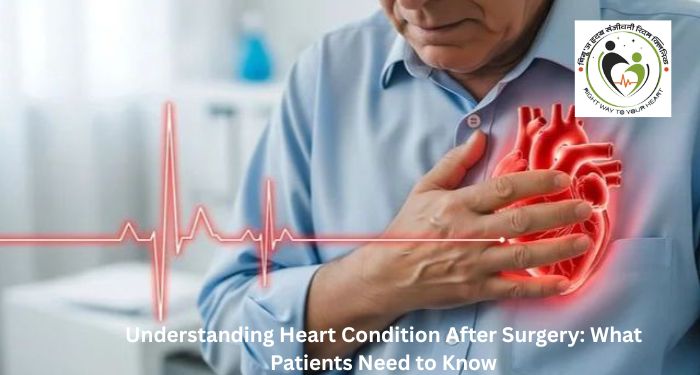
Heart surgery is often a life-saving procedure that helps improve blood flow, repair damaged heart structures, and enhance overall quality of life. Whether it is bypass surgery, valve replacement, congenital heart defect repair, or another cardiac procedure, the recovery period is an important part of the healing journey.
Many patients and their families have concerns about what happens to the heart after surgery, how long recovery takes, and what symptoms are considered normal. Understanding post-surgical heart health can help patients recover safely and recognize when medical attention is needed. Consulting the Best Cardiologist in Nashik can provide valuable guidance during the recovery process and help ensure long-term heart health.
Heart surgery may be recommended for various cardiac conditions, including:
The goal of surgery is to improve heart function, relieve symptoms, and reduce the risk of serious complications.
After surgery, the heart and surrounding tissues need time to heal. Although the procedure is designed to improve cardiac function, the body undergoes several temporary changes during recovery.
Patients may experience:
These symptoms are often part of the normal healing process and gradually improve with time.
Some patients experience irregular heart rhythms, especially during the first few days or weeks after surgery.
Atrial fibrillation is one of the most common rhythm disturbances following cardiac procedures. It is usually temporary but requires monitoring.
Mild pain or soreness around the surgical area is common. This discomfort usually decreases as healing progresses.
The body uses a significant amount of energy during recovery. Feeling tired for several weeks after surgery is normal.
Mild breathlessness may occur initially due to reduced physical activity and healing tissues. However, worsening shortness of breath should be evaluated promptly.
Some patients develop swelling in the legs, ankles, or feet due to fluid retention. This often improves with recovery and medication.
The first few days are typically spent in the hospital under close monitoring.
Healthcare providers monitor:
The first few weeks after discharge focus on rest, wound care, medication adherence, and gradual physical activity.
Patients are encouraged to:
Most patients continue to regain strength over several months. Cardiac rehabilitation programs often help improve cardiovascular fitness and confidence.
Cardiac rehabilitation is a medically supervised program designed to support recovery after heart surgery.
Benefits include:
The Best Cardiologist in Nashik may recommend cardiac rehabilitation as part of a comprehensive recovery plan.
While many patients recover successfully, complications can occasionally occur.
Surgical site infections require prompt treatment to prevent serious consequences.
Clots may increase the risk of stroke or other cardiovascular complications.
Persistent arrhythmias may require medication or additional treatment.
Fluid can build up around the lungs or heart, affecting breathing and circulation.
In some cases, patients may experience worsening heart function that requires medical evaluation.
Early recognition of complications is essential for successful treatment.
Patients should contact their healthcare provider if they experience:
Prompt evaluation can help prevent serious complications.
A heart-healthy diet supports recovery and long-term cardiovascular health.
Recommended foods include:
Patients should limit:
Proper nutrition promotes healing and reduces the risk of future heart disease.
Exercise is an important part of recovery but should be introduced gradually.
Recommended activities may include:
Patients should avoid heavy lifting and strenuous activity until approved by their doctor.
Heart surgery can affect emotional well-being.
Many patients experience:
Support from family, healthcare providers, and counseling services can help patients adjust and recover emotionally.
Recovery does not end once the surgical wound heals. Maintaining heart health requires ongoing attention.
Important steps include:
Medications help control blood pressure, cholesterol, and heart rhythm.
Routine follow-up appointments help monitor heart function and detect problems early.
Smoking significantly increases the risk of future cardiovascular disease.
Weight management reduces stress on the heart and improves overall health.
Managing diabetes, hypertension, and cholesterol is essential for long-term cardiac health.
A skilled cardiologist plays a crucial role in monitoring recovery and ensuring optimal heart function after surgery.
The Best Cardiologist in Nashik can provide:
Regular consultations help patients recover confidently and maintain a healthy heart.
Heart surgery is a major medical procedure that often leads to significant improvements in quality of life and heart function. However, recovery requires patience, proper medical supervision, and healthy lifestyle choices. Temporary symptoms such as fatigue, mild discomfort, and reduced stamina are common, but patients should remain alert for signs of complications.
Following medical advice, attending follow-up appointments, maintaining a heart-healthy lifestyle, and participating in cardiac rehabilitation can greatly improve recovery outcomes. If you have concerns about your heart condition after surgery, consulting the Best Cardiologist in Nashik can provide the expert care and guidance needed for a safe and successful recovery.
Recovery varies depending on the procedure and individual health, but many patients require several weeks to a few months for full recovery.
Yes. Fatigue is common during recovery and gradually improves as the body heals.
Yes. Temporary heart rhythm changes are common after cardiac procedures and are usually monitored closely.
A diet rich in fruits, vegetables, whole grains, lean proteins, and healthy fats is recommended.
Light activities such as walking can often begin early, but exercise should follow your doctor’s recommendations.
Severe chest pain, sudden breathlessness, fainting, high fever, or rapid heartbeats should be evaluated immediately.
Many patients benefit from cardiac rehabilitation because it improves fitness, recovery, and long-term heart health.
Regular follow-up helps monitor recovery, manage medications, detect complications early, and support long-term cardiovascular health.