
At Piyu’s Hridhay Sanjeevani Rhythm Clinic, commitment to cutting-edge interventional cardiology ensures precise diagnosis and effective treatment for heart diseases. One of the most advanced techniques used is Imaging-Guided Complex Angioplasty, which incorporates Intravascular Ultrasound (IVUS) and Optical Coherence Tomography (OCT) to enhance the accuracy and safety of angioplasty procedures.
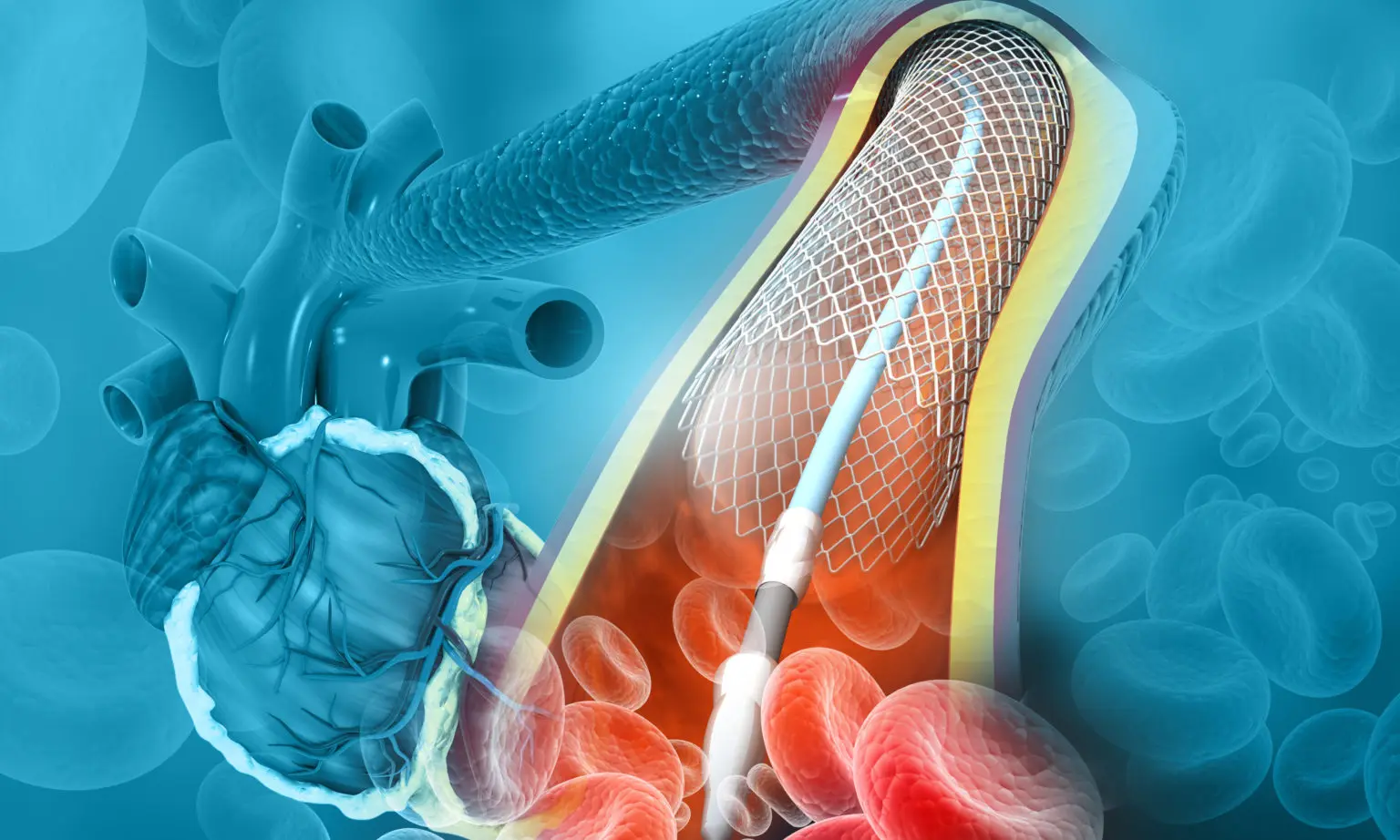
Coronary angioplasty is a life-saving procedure performed to open blocked or narrowed arteries and restore normal blood flow to the heart. In some cases, standard angioplasty techniques may not be enough, especially when dealing with heavily calcified arteries, bifurcation lesions, or chronic total occlusions (CTO). These complex cases require advanced imaging techniques to guide the procedure and optimize outcomes.
Traditional angioplasty relies on X-ray imaging and contrast dye to visualize blockages in the arteries. However, IVUS and OCT provide a much clearer and detailed view inside the blood vessels, allowing cardiologists to assess the severity of blockages, measure arterial dimensions accurately, and precise placement of stents. These imaging techniques significantly improve the success rate of complex angioplasty procedures and help reduce complications and risk of stent restenosis.
IVUS is an advanced catheter-based imaging technique that uses high-frequency sound waves to create real-time images of the inside of coronary arteries. A tiny ultrasound probe is inserted into the artery, providing a 360-degree cross-sectional view of the vessel walls.
This detailed imaging helps doctors
OCT is a light-based imaging technology that provides high-resolution images of coronary arteries. Unlike IVUS, which uses sound waves, OCT employs near-infrared light to visualize artery structures in unprecedented detail.
This technique is especially useful in
Your doctor may recommend IVUS or OCT-guided angioplasty if you have
In many complex angioplasty cases, angiography alone does not provide sufficient information to make critical treatment decisions. IVUS and OCT allow interventional cardiologists to
At Piyu’s Hridhay Sanjeevani Rhythm Clinic, the focus is on providing the best possible care using the latest advancements in cardiac treatment. With extensive experience in IVUS & OCT-guided complex angioplasty, every procedure is performed with the highest level of precision and safety.
Offerings
Advanced imaging-guided angioplasty can be a life-saving solution.
Contact us now for a consultation.