
The heart works continuously to pump blood and supply oxygen throughout the body. Maintaining a healthy heart is essential for overall wellness and long-term health. Poor eating habits, lack of exercise, stress, smoking, and unhealthy lifestyles can increase the risk of heart disease, high blood pressure, and cholesterol problems.
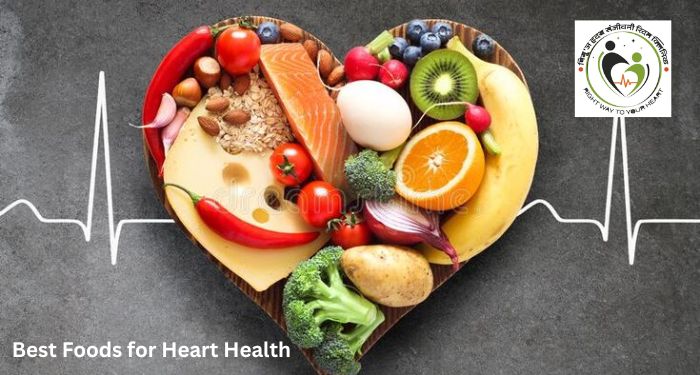
One of the most effective ways to protect heart health is by following a balanced and nutritious diet. Choosing the right foods can help improve blood circulation, maintain healthy cholesterol levels, and reduce the risk of cardiac complications.
Understanding which foods support heart function can help individuals make healthier lifestyle choices. Consulting an experienced cardiologist in Nashik can also help manage heart health effectively.
Food directly affects blood pressure, cholesterol levels, body weight, and blood sugar control. An unhealthy diet rich in salt, sugar, and saturated fats can increase the risk of:
A heart-friendly diet supports better circulation and reduces stress on the cardiovascular system.
Vegetables like spinach, kale, and broccoli are rich in vitamins, minerals, and antioxidants. They contain dietary nitrates that may help improve blood pressure and blood vessel function.
Leafy greens are also high in fiber, which supports cholesterol control.
Fruits contain essential nutrients that protect the heart from damage caused by inflammation and oxidative stress.
Heart-friendly fruits include:
These fruits help improve circulation and support overall cardiovascular health.
Whole grains are rich in fiber and help lower bad cholesterol levels.
Healthy whole grains include:
Replacing refined grains with whole grains can improve heart health significantly.
Almonds, walnuts, flaxseeds, and chia seeds contain healthy fats and omega-3 fatty acids that support heart function.
Benefits include:
However, they should be consumed in moderation.
Fish such as salmon, tuna, and sardines are rich in omega-3 fatty acids that help protect the heart.
Omega-3 fats may help:
Eating fish regularly can reduce cardiovascular risk.
Replacing unhealthy fats with healthier oils supports heart wellness.
Better options include:
Avoid excessive use of trans fats and deep-fried foods.
Beans, lentils, and peas are excellent sources of plant protein and fiber. They help maintain stable blood sugar and cholesterol levels.
Legumes are also filling and support healthy weight management.
Garlic contains natural compounds that may help reduce blood pressure and cholesterol levels.
Adding garlic to meals can support heart-friendly nutrition.
Dark chocolate with high cocoa content contains antioxidants that may benefit heart health when consumed in moderation.
Excess sugar intake should still be avoided.
Packaged and processed foods often contain excess salt, unhealthy fats, and preservatives.
Excess sugar intake increases obesity and diabetes risk.
Fried foods contain unhealthy fats that may raise cholesterol levels.
Too much salt can increase blood pressure and strain the heart.
Frequent consumption of processed meats may increase cardiovascular risk.
Drinking enough water supports healthy circulation and helps maintain overall body function.
Sugary beverages and excessive caffeinated drinks should be limited.
Physical activity strengthens the heart and improves blood circulation.
Healthy body weight reduces strain on the cardiovascular system.
Smoking damages blood vessels and significantly increases heart disease risk.
Chronic stress can negatively affect blood pressure and heart function.
Routine heart evaluations help detect risk factors early.
You should consult a cardiologist if you experience:
Early diagnosis helps prevent serious complications.
Healthy eating habits started early can reduce future heart disease risk.
Controlling cholesterol, blood pressure, and weight becomes especially important.
Heart-friendly nutrition helps maintain circulation and reduce cardiac complications.
Dr. Nikhilkumar Patel provides expert diagnosis, preventive cardiac care, and treatment for various heart conditions. Personalized lifestyle guidance and advanced cardiac evaluation help patients maintain long-term heart wellness and healthier living.
A healthy heart begins with healthy food choices. Including nutrient-rich foods such as fruits, vegetables, whole grains, nuts, and healthy fats can significantly improve cardiovascular health and reduce disease risk.
Combined with regular exercise, stress management, and routine health checkups, a balanced diet supports stronger heart function and overall wellness. Small daily lifestyle changes can make a big difference in protecting heart health for the future.
Fruits, vegetables, whole grains, nuts, seeds, and fatty fish are considered heart-healthy foods.
Yes, a healthy diet rich in fiber and healthy fats can help control cholesterol.
Excess salt may increase blood pressure and strain the heart.
Exercise improves circulation, strengthens the heart, and helps maintain healthy weight.
Yes, nuts contain healthy fats and nutrients that support cardiovascular health.
You should consult a cardiologist for chest pain, breathlessness, palpitations, or high blood pressure.
Book your consultation with Dr. Nikhilkumar Patel, experienced cardiologist in Nashik, for expert heart care, preventive cardiac guidance, and healthy lifestyle support.