
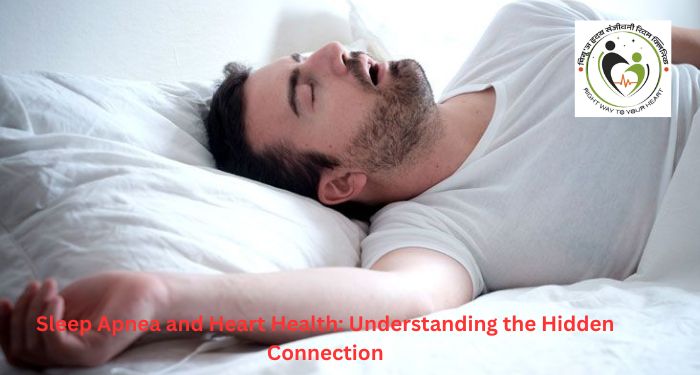
Sleep is essential for maintaining overall health, but many people unknowingly suffer from sleep apnea—a condition that repeatedly interrupts breathing during sleep. While loud snoring and daytime fatigue are common signs, sleep apnea can also have a significant impact on heart health. If left untreated, it may increase the risk of high blood pressure, irregular heartbeats, heart attack, heart failure, and stroke.
Understanding the connection between sleep apnea and cardiovascular health can help you seek timely treatment and reduce long-term complications. If you experience symptoms of sleep apnea or have existing heart problems, consulting an experienced Heart Specialist in Nashik can help you receive the right diagnosis and treatment.
Sleep apnea is a sleep disorder in which breathing repeatedly stops and starts during sleep. These pauses in breathing can last from a few seconds to over a minute and may occur multiple times throughout the night.
The most common types include:
This is the most common type and occurs when the muscles in the throat relax excessively, blocking the airway.
This occurs when the brain temporarily fails to send proper signals to the muscles responsible for breathing.
A combination of obstructive and central sleep apnea.
Among these, obstructive sleep apnea is the type most commonly linked with cardiovascular disease.
Every time breathing stops during sleep, oxygen levels in the blood decrease. The brain senses this lack of oxygen and briefly wakes the person to restart breathing. Although these awakenings are often so brief that they are not remembered, they disrupt normal sleep and place repeated stress on the cardiovascular system.
Over time, untreated sleep apnea can:
This ongoing stress can significantly raise the risk of serious heart conditions.
Many people are unaware they have sleep apnea because symptoms occur during sleep.
Common signs include:
If these symptoms are present, it is important to consult both a sleep medicine expert and a cardiologist in Nashik for a comprehensive evaluation.
Sleep apnea is one of the leading causes of resistant hypertension.
Repeated oxygen deprivation causes the body to release stress hormones that keep blood pressure elevated even during the day.
Sleep apnea increases the risk of abnormal heart rhythms such as atrial fibrillation.
These rhythm disturbances may increase the likelihood of stroke if left untreated.
Reduced oxygen levels and chronic inflammation can contribute to plaque buildup in the arteries supplying the heart.
This increases the risk of chest pain and heart attacks.
Untreated sleep apnea forces the heart to work harder over time.
This extra workload may contribute to the development or worsening of heart failure.
People with untreated sleep apnea have a higher risk of heart attacks, particularly during the early morning hours when oxygen levels fluctuate significantly.
Sleep apnea can increase the risk of stroke by promoting high blood pressure, abnormal heart rhythms, and poor circulation.
Several factors increase the likelihood of developing sleep apnea.
These include:
Early diagnosis is essential for protecting heart health.
Your doctor will ask about:
The airway, neck size, blood pressure, and heart function may be evaluated.
This is the gold standard test for diagnosing sleep apnea. It records:
Some individuals may qualify for a simplified sleep study at home.
Treatment depends on the severity of the condition.
Many mild cases improve with healthy lifestyle changes.
These include:
Continuous Positive Airway Pressure (CPAP) is considered the most effective treatment for moderate to severe obstructive sleep apnea.
It keeps the airway open by delivering gentle air pressure throughout the night.
Custom-made dental devices help reposition the jaw and tongue to keep the airway open.
In selected patients, surgery may be recommended to remove airway obstruction or correct structural abnormalities.
Managing sleep apnea not only improves sleep quality but also supports cardiovascular health.
Healthy habits include:
Regular follow-up with a Heart Specialist in Nashik helps monitor your heart health and reduce the risk of future complications.
Seek medical attention if you experience:
An experienced cardiologist in Nashik can assess whether sleep apnea is affecting your cardiovascular health and coordinate treatment with a sleep medicine specialist.
Although not every case can be prevented, these measures can reduce the risk:
Early diagnosis and treatment can significantly lower the risk of cardiovascular complications.
Sleep apnea is more than just a sleep disorder—it can have a profound impact on heart health. Repeated interruptions in breathing reduce oxygen levels, increase blood pressure, and place ongoing stress on the heart, raising the risk of hypertension, arrhythmias, heart attack, heart failure, and stroke. Recognizing the symptoms early and seeking timely medical care can improve both sleep quality and overall cardiovascular well-being.
If you experience loud snoring, daytime fatigue, or have existing heart disease, consult an experienced Heart Specialist in Nashik. A qualified cardiologist in Nashik, cardiac specialist in Nashik, or heart doctor in Nashik can work with sleep medicine experts to diagnose sleep apnea and develop a personalized treatment plan to protect your heart.
Yes. Untreated sleep apnea can increase the risk of high blood pressure, irregular heart rhythms, heart attack, heart failure, and stroke.
Common symptoms include loud snoring, pauses in breathing during sleep, gasping for air, morning headaches, daytime sleepiness, and difficulty concentrating.
Yes. Effective treatment, such as CPAP therapy and lifestyle changes, can improve sleep quality and reduce strain on the heart.
People who are overweight, have high blood pressure, diabetes, smoke, consume alcohol regularly, or have a family history of sleep apnea are at increased risk.
You should consult a Heart Specialist in Nashik if you have symptoms of sleep apnea along with chest pain, palpitations, uncontrolled high blood pressure, or other signs of heart disease.