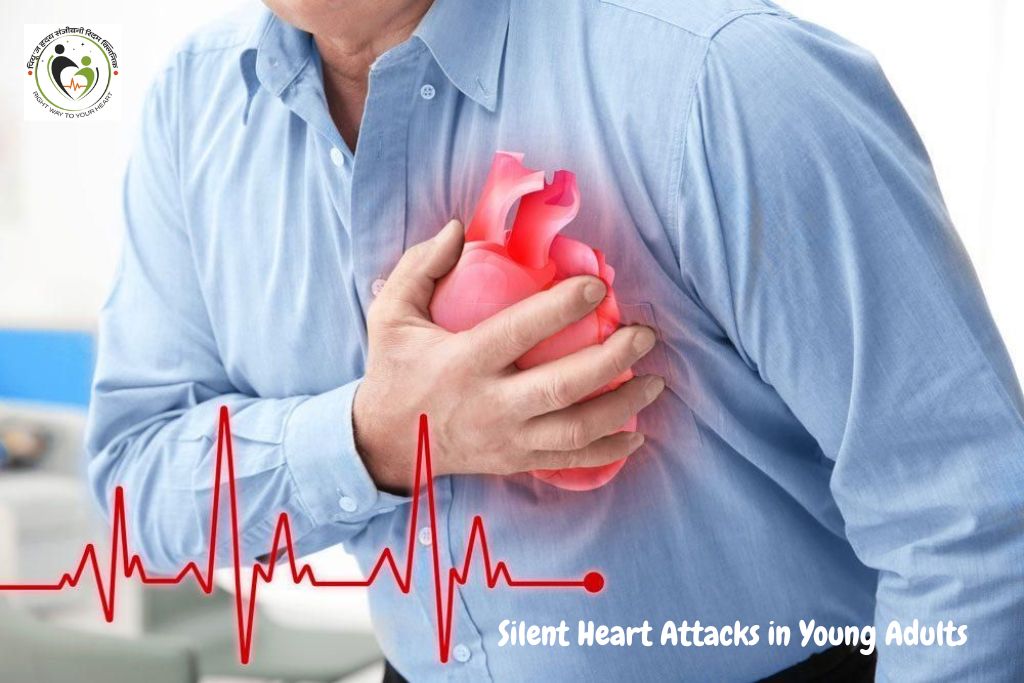
Heart disease is no longer limited to older adults. In recent years, cardiologists across India have noticed a significant increase in heart attacks among people in their 20s, 30s, and early 40s. Even more concerning is the rise of silent heart attacks, which occur without the dramatic symptoms most people expect.
Many patients only discover they had a heart attack during a routine ECG or 2D Echo. This makes awareness and early screening extremely important. Consulting an experienced cardiologist in Nashik at the right time can help detect hidden risks before they turn into emergencies.
What Is a Silent Heart Attack?
A silent heart attack, medically called a silent myocardial infarction, happens when blood supply to part of the heart muscle is blocked. However, the symptoms are mild, vague, or sometimes completely absent.
Unlike severe chest pain seen in classic heart attacks, silent heart attacks may feel like:
- Mild chest discomfort
- Shortness of breath
- Fatigue
- Indigestion-like sensation
- Neck, jaw, or shoulder pain
- Light sweating
Because these signs seem minor, many people ignore them.
Why Are Heart Attacks Increasing in Young Adults?
A leading cardiologist in Nashik will often highlight lifestyle changes as the biggest reason behind this alarming trend.
1. Chronic Stress
Work pressure, financial responsibilities, lack of sleep, and constant digital exposure increase stress hormones, affecting heart health.
2. Sedentary Routine
Long hours of sitting, minimal physical activity, and screen-based work reduce cardiovascular strength.
3. Unhealthy Eating Habits
Fast food, processed snacks, sugary beverages, and high salt intake increase cholesterol and blood pressure.
4. Smoking and Alcohol
Even occasional smoking significantly increases the risk of artery blockage in young adults.
5. Hypertension and Diabetes
Uncontrolled BP and high blood sugar silently damage blood vessels over time.
6. Family History
Genetics plays an important role in early heart disease risk.
Early Warning Signs You Should Never Ignore
Many patients assume they are “too young” for heart disease. This delay can be dangerous.
Consult a cardiologist in Nashik if you experience:
- Recurrent chest tightness
- Pain spreading to the left arm
- Sudden breathlessness
- Unusual tiredness
- Persistent acidity not improving with medication
- Irregular heartbeat
Even mild symptoms deserve evaluation
How a Cardiologist in Nashik Diagnoses Silent Heart Attacks
Early detection is possible through modern diagnostic tools:
ECG (Electrocardiogram)
Detects abnormalities in heart rhythm and electrical activity.
2D Echo
Evaluates heart muscle movement and pumping capacity.
TMT (Treadmill Stress Test)
Assesses heart performance under stress conditions.
Blood Tests
Measure cardiac enzymes indicating heart muscle damage.
Angiography
Identifies blockages in coronary arteries accurately.
Routine heart screening can detect early signs before major damage occurs.
The Importance of Preventive Cardiology
Today, preventive cardiology is becoming more important than emergency treatment. Visiting a cardiologist in Nashik for regular checkups can help:
- Identify high BP early
- Detect high cholesterol
- Monitor blood sugar levels
- Assess heart risk factors
- Guide lifestyle changes
Prevention reduces the chances of emergency angioplasty or bypass surgery later.
How Young Adults Can Protect Their Heart
Heart care should start early. Here’s what experts recommend:
Exercise Regularly
At least 30 minutes of brisk walking, cycling, or jogging five days a week.
Maintain Healthy Weight
Abdominal fat significantly increases heart disease risk.
Eat Heart-Friendly Foods
Focus on fruits, vegetables, whole grains, lean protein, and healthy fats.
Manage Stress
Practice meditation, yoga, or breathing exercises daily.
Quit Smoking
Stopping smoking drastically reduces heart risk within months.
Sleep Well
7–8 hours of quality sleep is essential for heart health.
Small consistent habits can prevent major cardiac problems.
When Should You See a Cardiologist in Nashik?
Immediate consultation is recommended if you have:
- Strong family history of heart disease
- High BP readings
- Diabetes
- Obesity
- Smoking habit
- Recurrent chest discomfort
Even if reports are normal, early evaluation provides peace of mind and preventive advice.
Why Awareness Is Critical
Many young heart attack survivors admit they ignored symptoms, assuming it was acidity or stress. Delaying medical help can lead to permanent heart muscle damage.
Silent heart attacks are dangerous precisely because they are silent.
The good news? Early diagnosis, timely ECG, 2D Echo, and heart screening can significantly reduce complications.
Final Thoughts
Heart disease in young adults is no longer rare. Modern lifestyle, stress, and unhealthy habits have made heart care essential even before 40.
Regular heart checkups, risk assessment, and lifestyle modification guided by a trusted cardiologist in Nashik can help prevent life-threatening emergencies.
Your heart works continuously without rest. Giving it regular care is not optional — it’s necessary.
Prevention today ensures a healthier tomorrow.
FAQs
1. Can people under 40 have heart attacks?
Yes. Heart attacks are increasingly seen in younger adults due to stress, smoking, obesity, and hypertension.
2. What are silent heart attack symptoms?
Mild chest discomfort, breathlessness, fatigue, sweating, or indigestion-like pain.
3. How often should I visit a cardiologist in Nashik?
If you are above 30 or have risk factors, an annual heart checkup is recommended.
4. Is ECG enough to detect heart problems?
ECG is a useful screening tool. Further tests like 2D Echo, TMT, or angiography may be advised if needed.
5. Can heart disease be prevented?
Yes. With lifestyle changes, regular monitoring, and early medical guidance, heart disease risk can be significantly reduced.
6. When should chest pain be considered serious?
If chest pain is persistent, radiates to arm/jaw, or is associated with breathlessness or sweating, seek immediate medical care.