Tag: Cardiologist in Nashik

  • Best Foods for Heart Health

    Best Foods for Heart Health

    The heart works continuously to pump blood and supply oxygen throughout the body. Maintaining a healthy heart is essential for overall wellness and long-term health. Poor eating habits, lack of exercise, stress, smoking, and unhealthy lifestyles can increase the risk of heart disease, high blood pressure, and cholesterol problems.

    One of the most effective ways to protect heart health is by following a balanced and nutritious diet. Choosing the right foods can help improve blood circulation, maintain healthy cholesterol levels, and reduce the risk of cardiac complications.

    Understanding which foods support heart function can help individuals make healthier lifestyle choices. Consulting an experienced cardiologist in Nashik can also help manage heart health effectively.

    Why Diet is Important for Heart Health

    Food directly affects blood pressure, cholesterol levels, body weight, and blood sugar control. An unhealthy diet rich in salt, sugar, and saturated fats can increase the risk of:

    • Heart disease
    • High cholesterol
    • Obesity
    • High blood pressure
    • Stroke
    • Diabetes

    A heart-friendly diet supports better circulation and reduces stress on the cardiovascular system.

    Best Foods for Heart Health

    Green Leafy Vegetables

    Vegetables like spinach, kale, and broccoli are rich in vitamins, minerals, and antioxidants. They contain dietary nitrates that may help improve blood pressure and blood vessel function.

    Leafy greens are also high in fiber, which supports cholesterol control.

    Fruits Rich in Antioxidants

    Fruits contain essential nutrients that protect the heart from damage caused by inflammation and oxidative stress.

    Heart-friendly fruits include:

    • Apples
    • Oranges
    • Berries
    • Pomegranates
    • Bananas

    These fruits help improve circulation and support overall cardiovascular health.

    Whole Grains

    Whole grains are rich in fiber and help lower bad cholesterol levels.

    Healthy whole grains include:

    • Oats
    • Brown rice
    • Quinoa
    • Whole wheat
    • Barley

    Replacing refined grains with whole grains can improve heart health significantly.

    Nuts and Seeds

    Almonds, walnuts, flaxseeds, and chia seeds contain healthy fats and omega-3 fatty acids that support heart function.

    Benefits include:

    • Lower cholesterol levels
    • Reduced inflammation
    • Improved blood vessel health

    However, they should be consumed in moderation.

    Fatty Fish

    Fish such as salmon, tuna, and sardines are rich in omega-3 fatty acids that help protect the heart.

    Omega-3 fats may help:

    • Lower triglycerides
    • Reduce inflammation
    • Improve heart rhythm
    • Support blood circulation

    Eating fish regularly can reduce cardiovascular risk.

    Healthy Oils

    Replacing unhealthy fats with healthier oils supports heart wellness.

    Better options include:

    • Olive oil
    • Mustard oil
    • Groundnut oil in moderation

    Avoid excessive use of trans fats and deep-fried foods.

    Legumes and Beans

    Beans, lentils, and peas are excellent sources of plant protein and fiber. They help maintain stable blood sugar and cholesterol levels.

    Legumes are also filling and support healthy weight management.

    Garlic

    Garlic contains natural compounds that may help reduce blood pressure and cholesterol levels.

    Adding garlic to meals can support heart-friendly nutrition.

    Dark Chocolate in Moderation

    Dark chocolate with high cocoa content contains antioxidants that may benefit heart health when consumed in moderation.

    Excess sugar intake should still be avoided.

    Foods to Avoid for Better Heart Health

    Processed Foods

    Packaged and processed foods often contain excess salt, unhealthy fats, and preservatives.

    Sugary Drinks

    Excess sugar intake increases obesity and diabetes risk.

    Deep-Fried Foods

    Fried foods contain unhealthy fats that may raise cholesterol levels.

    Excess Salt

    Too much salt can increase blood pressure and strain the heart.

    Red and Processed Meat

    Frequent consumption of processed meats may increase cardiovascular risk.

    Importance of Hydration

    Drinking enough water supports healthy circulation and helps maintain overall body function.

    Sugary beverages and excessive caffeinated drinks should be limited.

    Lifestyle Habits for a Healthy Heart

    Regular Exercise

    Physical activity strengthens the heart and improves blood circulation.

    Maintain Healthy Weight

    Healthy body weight reduces strain on the cardiovascular system.

    Avoid Smoking

    Smoking damages blood vessels and significantly increases heart disease risk.

    Manage Stress

    Chronic stress can negatively affect blood pressure and heart function.

    Get Regular Health Checkups

    Routine heart evaluations help detect risk factors early.

    Signs You Should Not Ignore

    You should consult a cardiologist if you experience:

    • Chest pain
    • Shortness of breath
    • Palpitations
    • High blood pressure
    • Fatigue
    • Swelling in legs
    • Dizziness

    Early diagnosis helps prevent serious complications.

    Heart Health for Different Age Groups

    Young Adults

    Healthy eating habits started early can reduce future heart disease risk.

    Middle-Aged Adults

    Controlling cholesterol, blood pressure, and weight becomes especially important.

    Older Adults

    Heart-friendly nutrition helps maintain circulation and reduce cardiac complications.

    Expert Heart Care with Dr. Nikhilkumar Patel

    Dr. Nikhilkumar Patel provides expert diagnosis, preventive cardiac care, and treatment for various heart conditions. Personalized lifestyle guidance and advanced cardiac evaluation help patients maintain long-term heart wellness and healthier living.

    Conclusion

    A healthy heart begins with healthy food choices. Including nutrient-rich foods such as fruits, vegetables, whole grains, nuts, and healthy fats can significantly improve cardiovascular health and reduce disease risk.

    Combined with regular exercise, stress management, and routine health checkups, a balanced diet supports stronger heart function and overall wellness. Small daily lifestyle changes can make a big difference in protecting heart health for the future.

    FAQs

    1. Which foods are best for heart health?

    Fruits, vegetables, whole grains, nuts, seeds, and fatty fish are considered heart-healthy foods.

    2. Can diet reduce cholesterol levels?

    Yes, a healthy diet rich in fiber and healthy fats can help control cholesterol.

    3. Is salt harmful for the heart?

    Excess salt may increase blood pressure and strain the heart.

    4. How does exercise help heart health?

    Exercise improves circulation, strengthens the heart, and helps maintain healthy weight.

    5. Are nuts good for the heart?

    Yes, nuts contain healthy fats and nutrients that support cardiovascular health.

    6. When should I visit a cardiologist?

    You should consult a cardiologist for chest pain, breathlessness, palpitations, or high blood pressure.

    Book your consultation with Dr. Nikhilkumar Patel, experienced cardiologist in Nashik, for expert heart care, preventive cardiac guidance, and healthy lifestyle support.

  • How Heart Blockage Happens: A Complete Guide

    How Heart Blockage Happens: A Complete Guide

    Heart blockage, also known as coronary artery disease, is one of the leading causes of heart attacks worldwide. It occurs when the arteries supplying blood to the heart become narrow or blocked due to the buildup of fatty deposits. Understanding how this condition develops is crucial for prevention and timely treatment. Consulting a qualified heart specialist in Nashik can help detect and manage heart problems effectively.

    What is Heart Blockage?

    Heart blockage happens when the coronary arteries, which supply oxygen-rich blood to the heart muscles, become partially or completely blocked. This blockage restricts blood flow, leading to chest pain and increasing the risk of heart attacks.

    Seeking timely care from an experienced cardiologist in Nashik ensures early diagnosis and better outcomes.

    How Does Heart Blockage Develop?

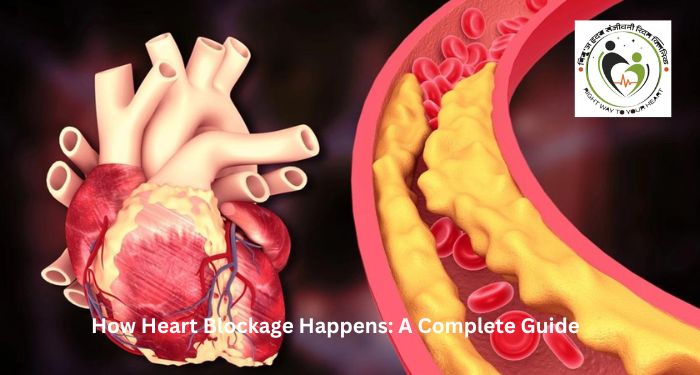
    Heart blockage develops gradually over time. The process begins with the buildup of fatty substances like cholesterol in the inner walls of arteries. This buildup is called plaque.

    As plaque accumulates, the arteries become narrow, reducing blood flow. Over time, the plaque can rupture, leading to the formation of a blood clot that can completely block the artery.

    This process is known as atherosclerosis and is the main cause of heart blockage. Consulting a heart specialist in Nashik can help identify early signs and prevent progression.

    Causes of Heart Blockage

    Several factors contribute to the development of heart blockage. One of the primary causes is high cholesterol levels, which lead to plaque formation in the arteries.

    High blood pressure damages the artery walls, making them more prone to plaque buildup. Smoking is another major risk factor, as it reduces oxygen levels and damages blood vessels.

    Diabetes, obesity, lack of physical activity, and unhealthy eating habits also increase the risk. Genetics can also play a role, making some individuals more susceptible. Regular check-ups with a cardiologist in Nashik can help manage these risk factors.

    Symptoms of Heart Blockage

    Heart blockage may not show symptoms in its early stages. As the condition progresses, patients may experience chest pain or discomfort, often described as pressure or tightness.

    Other symptoms include shortness of breath, fatigue, dizziness, and pain in the arms, neck, or jaw. In severe cases, a sudden heart attack may occur.

    If you experience any of these symptoms, seek immediate medical attention from a heart specialist in Nashik.

    Diagnosis of Heart Blockage

    Early diagnosis is key to preventing serious complications. Doctors may recommend tests such as ECG (electrocardiogram), stress test, echocardiography, or angiography to assess heart function and detect blockages.

    Angiography is one of the most accurate methods to identify blocked arteries. Visiting a trusted cardiologist in Nashik ensures proper diagnosis and timely treatment.

    Treatment Options for Heart Blockage

    Treatment depends on the severity of the blockage. In mild cases, lifestyle changes and medications may be sufficient to control the condition.

    Medications such as blood thinners, cholesterol-lowering drugs, and blood pressure medications are commonly prescribed.

    In more severe cases, procedures like angioplasty are performed to open blocked arteries. During this procedure, a small balloon is used to widen the artery, and a stent may be placed to keep it open.

    In critical conditions, bypass surgery may be required to restore blood flow. Consulting an experienced heart specialist in Nashik ensures the best treatment approach.

    Prevention Tips for Heart Blockage

    Preventing heart blockage involves adopting a healthy lifestyle. Eating a balanced diet low in saturated fats and high in fruits, vegetables, and whole grains is essential.

    Regular exercise helps maintain a healthy weight and improves heart health. Avoiding smoking and limiting alcohol consumption significantly reduces risk.

    Managing stress, controlling blood pressure, and keeping diabetes under control are also important steps. Regular health check-ups with a cardiologist in Nashik help in early detection and prevention.

    When to See a Heart Specialist?

    You should consult a doctor if you experience chest pain, shortness of breath, or unexplained fatigue. Individuals with risk factors such as high cholesterol, diabetes, or a family history of heart disease should undergo regular screening.

    Early consultation with a heart specialist in Nashik can prevent life-threatening complications and ensure better heart health.

    Conclusion

    Heart blockage is a serious condition that develops over time but can be managed and prevented with the right approach. Understanding its causes, symptoms, and treatment options is the first step towards a healthier life.

    If you are at risk or experiencing symptoms, do not ignore them. Consult an experienced heart specialist in Nashik for timely diagnosis and effective treatment. Your heart health is in your hands—take action today.


    FAQs

    1. What causes heart blockage?
    Heart blockage is mainly caused by cholesterol buildup, high blood pressure, smoking, and unhealthy lifestyle habits.

    2. Can heart blockage be cured?
    It can be managed effectively with medications, lifestyle changes, and procedures like angioplasty or surgery.

    3. What are the early symptoms of heart blockage?
    Early symptoms include chest discomfort, fatigue, and shortness of breath.

    4. Is angioplasty safe?
    Yes, angioplasty is a commonly performed and safe procedure when done by an experienced cardiologist.

    5. Where can I find the best heart specialist in Nashik?
    You can consult a qualified and experienced cardiologist in Nashik for proper diagnosis and treatment.

  • The Best Cardiac Surgery Hospitals in Nashik: Choosing the Right Heart Care

    The Best Cardiac Surgery Hospitals in Nashik: Choosing the Right Heart Care

    The Best Cardiac Surgery Hospitals in Nashik: Choosing the Right Heart Care

    Cardiac surgery hospitals in Nashik with cardiologist Dr Nikhilkumar Patel

    Heart health is one of the most important aspects of overall well-being. With the increasing number of cardiac conditions today, choosing the right hospital and specialist is crucial for effective treatment and recovery. If you or your loved ones are searching for advanced heart care, understanding the best cardiac surgery hospitals in Nashik can help you make an informed decision.

    For expert consultation and personalized care, you can rely on a trusted Cardiologist in Nashik, Dr. Nikhilkumar Patel at Piyu’s Hriday Sanjeevani Rhythm Clinic, known for quality cardiac care and patient-focused treatment.

    Why Choosing the Right Cardiac Hospital Matters

    Cardiac surgery is a complex procedure that requires precision, advanced technology, and experienced specialists. The right hospital ensures:

    • Accurate diagnosis
    • Advanced surgical techniques
    • Skilled cardiac surgeons
    • Proper ICU and emergency care
    • Faster and safer recovery

    Choosing a reputed hospital significantly improves treatment outcomes and patient safety.

    Common Cardiac Surgeries Offered

    Top cardiac hospitals in Nashik provide a wide range of heart treatments and surgeries:

    1. Coronary Artery Bypass Surgery (CABG)

    This is performed to improve blood flow to the heart by bypassing blocked arteries.

    2. Angioplasty and Stent Placement

    A minimally invasive procedure used to open blocked arteries.

    3. Valve Repair or Replacement

    Surgery to repair or replace damaged heart valves.

    4. Pacemaker Implantation

    Used to regulate abnormal heart rhythms.

    5. Congenital Heart Defect Surgery

    Corrective procedures for heart defects present since birth.

    Key Features of the Best Cardiac Hospitals

    When selecting a cardiac surgery hospital in Nashik, consider the following:

    Advanced Technology

    Modern equipment like cath labs, cardiac ICUs, and imaging systems ensure precise treatment.

    Experienced Cardiologists

    Having an experienced Cardiologist in Nashik, Dr. Nikhilkumar Patel, ensures proper diagnosis and expert guidance throughout the treatment journey.

    Emergency Services

    Round-the-clock emergency care is essential for handling heart attacks and critical conditions.

    Comprehensive Care

    From diagnosis to surgery and rehabilitation, the best hospitals provide complete cardiac care under one roof.

    Patient-Centered Approach

    Comfort, communication, and personalized care play a major role in recovery.

    Role of a Cardiologist in Heart Care

    A cardiologist is your first point of contact for heart-related issues. They help in:

      • Diagnosing heart conditions

      • Recommending the right treatment plan

      • Monitoring heart health

      • Guiding lifestyle changes

    At Piyu’s Hriday Sanjeevani Rhythm Clinic, Dr. Nikhilkumar Patel offers expert consultation and advanced cardiac care tailored to each patient’s needs.

    When Should You Visit a Cardiologist?

    You should consult a specialist if you experience:

      • Chest pain or discomfort

      • Shortness of breath

      • Irregular heartbeat

      • Fatigue or dizziness

      • High blood pressure

    Early diagnosis can prevent major heart complications and reduce the need for surgery.

    Tips to Choose the Best Cardiac Surgery Hospital in Nashik

      • Check hospital reputation and reviews

      • Look for experienced doctors and surgeons

      • Ensure availability of advanced facilities

      • Verify emergency and ICU services

      • Consider location and accessibility

    Consulting a reliable Cardiologist in Nashik, Dr. Nikhilkumar Patel, can help you choose the right hospital based on your condition.

    Importance of Post-Surgery Care

    Recovery after cardiac surgery is equally important. Top hospitals provide:

      • Cardiac rehabilitation programs

      • Diet and lifestyle guidance

      • Regular follow-ups

      • Medication management

    Following proper post-surgery care ensures long-term heart health.

    Preventive Heart Care Tips

    Prevention is always better than cure. You can reduce the risk of heart disease by:

      • Eating a balanced diet

      • Exercising regularly

      • Avoiding smoking and alcohol

      • Managing stress

      • Regular health checkups

    Why Choose Dr. Nikhilkumar Patel?

    Dr. Nikhilkumar Patel is a dedicated cardiologist known for his expertise in diagnosing and managing heart conditions. At Piyu’s Hriday Sanjeevani Rhythm Clinic, patients receive:

      • Personalized treatment plans

      • Advanced diagnostic services

      • Compassionate care

      • Focus on long-term heart health

    If you are looking for a trusted cardiologist in Nashik, his experience and patient-first approach make him a reliable choice.

    Conclusion

    Choosing the best cardiac surgery hospital in Nashik is a critical decision that can impact your health and recovery. With the right hospital, advanced technology, and expert guidance, you can ensure safe and effective treatment.

    For professional advice and quality care, consult Dr. Nikhilkumar Patel, Cardiologist in Nashik at Piyu’s Hriday Sanjeevani Rhythm Clinic, and take a step towards a healthier heart.


    FAQs

    1. Which is the best cardiac surgery hospital in Nashik?
    The best hospital depends on facilities, doctor expertise, and patient care. Consulting a cardiologist helps in choosing the right one.

    2. When is cardiac surgery required?
    It is required in cases of blocked arteries, valve issues, or severe heart conditions.

    3. Is cardiac surgery safe?
    Yes, with modern technology and experienced doctors, it is generally safe.

    4. How long does recovery take after heart surgery?
    Recovery may take 6–12 weeks depending on the procedure and patient health.

    5. Can heart disease be prevented?
    Yes, a healthy lifestyle and regular checkups can reduce the risk significantly.

  • Silent Heart Attacks in Young Adults: Why Consulting a Cardiologist in Nashik Can Save Lives

    Silent Heart Attacks in Young Adults: Why Consulting a Cardiologist in Nashik Can Save Lives

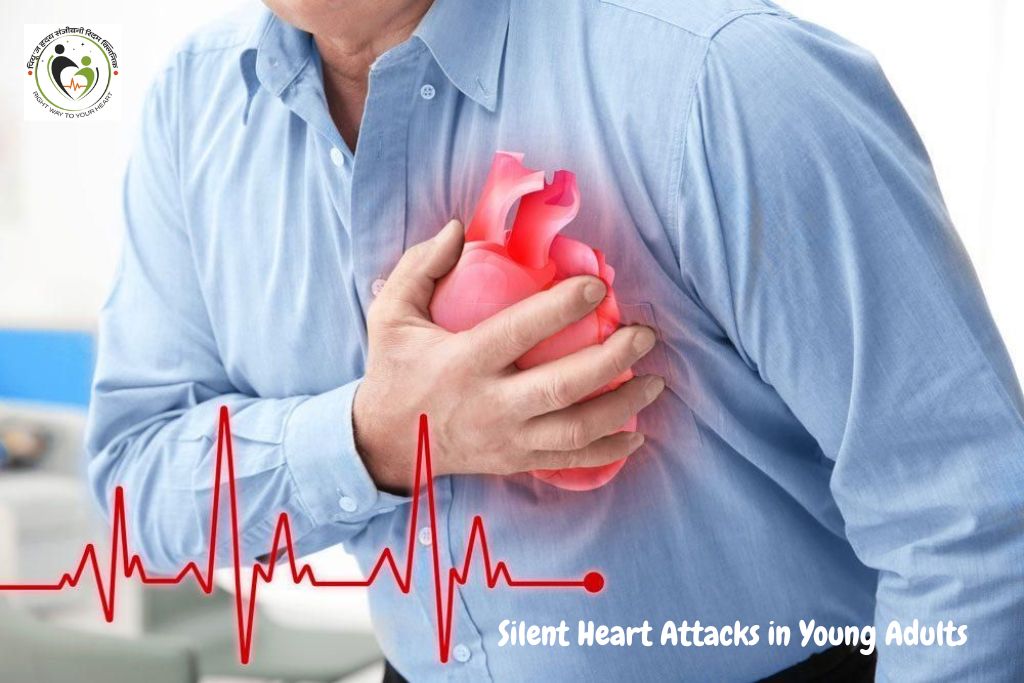
    Heart disease is no longer limited to older adults. In recent years, cardiologists across India have noticed a significant increase in heart attacks among people in their 20s, 30s, and early 40s. Even more concerning is the rise of silent heart attacks, which occur without the dramatic symptoms most people expect.

    Many patients only discover they had a heart attack during a routine ECG or 2D Echo. This makes awareness and early screening extremely important. Consulting an experienced cardiologist in Nashik at the right time can help detect hidden risks before they turn into emergencies.

    What Is a Silent Heart Attack?

    A silent heart attack, medically called a silent myocardial infarction, happens when blood supply to part of the heart muscle is blocked. However, the symptoms are mild, vague, or sometimes completely absent.

    Unlike severe chest pain seen in classic heart attacks, silent heart attacks may feel like:

    • Mild chest discomfort
    • Shortness of breath
    • Fatigue
    • Indigestion-like sensation
    • Neck, jaw, or shoulder pain
    • Light sweating

    Because these signs seem minor, many people ignore them.

    Why Are Heart Attacks Increasing in Young Adults?

    A leading cardiologist in Nashik will often highlight lifestyle changes as the biggest reason behind this alarming trend.

    1. Chronic Stress

    Work pressure, financial responsibilities, lack of sleep, and constant digital exposure increase stress hormones, affecting heart health.

    2. Sedentary Routine

    Long hours of sitting, minimal physical activity, and screen-based work reduce cardiovascular strength.

    3. Unhealthy Eating Habits

    Fast food, processed snacks, sugary beverages, and high salt intake increase cholesterol and blood pressure.

    4. Smoking and Alcohol

    Even occasional smoking significantly increases the risk of artery blockage in young adults.

    5. Hypertension and Diabetes

    Uncontrolled BP and high blood sugar silently damage blood vessels over time.

    6. Family History

    Genetics plays an important role in early heart disease risk.

    Early Warning Signs You Should Never Ignore

    Many patients assume they are “too young” for heart disease. This delay can be dangerous.

    Consult a cardiologist in Nashik if you experience:

    • Recurrent chest tightness
    • Pain spreading to the left arm
    • Sudden breathlessness
    • Unusual tiredness
    • Persistent acidity not improving with medication
    • Irregular heartbeat

    Even mild symptoms deserve evaluation

    How a Cardiologist in Nashik Diagnoses Silent Heart Attacks

    Early detection is possible through modern diagnostic tools:

    ECG (Electrocardiogram)

    Detects abnormalities in heart rhythm and electrical activity.

    2D Echo

    Evaluates heart muscle movement and pumping capacity.

    TMT (Treadmill Stress Test)

    Assesses heart performance under stress conditions.

    Blood Tests

    Measure cardiac enzymes indicating heart muscle damage.

    Angiography

    Identifies blockages in coronary arteries accurately.

    Routine heart screening can detect early signs before major damage occurs.

    The Importance of Preventive Cardiology

    Today, preventive cardiology is becoming more important than emergency treatment. Visiting a cardiologist in Nashik for regular checkups can help:

    • Identify high BP early
    • Detect high cholesterol
    • Monitor blood sugar levels
    • Assess heart risk factors
    • Guide lifestyle changes

    Prevention reduces the chances of emergency angioplasty or bypass surgery later.

    How Young Adults Can Protect Their Heart

    Heart care should start early. Here’s what experts recommend:

    Exercise Regularly

    At least 30 minutes of brisk walking, cycling, or jogging five days a week.

    Maintain Healthy Weight

    Abdominal fat significantly increases heart disease risk.

    Eat Heart-Friendly Foods

    Focus on fruits, vegetables, whole grains, lean protein, and healthy fats.

    Manage Stress

    Practice meditation, yoga, or breathing exercises daily.

    Quit Smoking

    Stopping smoking drastically reduces heart risk within months.

    Sleep Well

    7–8 hours of quality sleep is essential for heart health.

    Small consistent habits can prevent major cardiac problems.

    When Should You See a Cardiologist in Nashik?

    Immediate consultation is recommended if you have:

    • Strong family history of heart disease
    • High BP readings
    • Diabetes
    • Obesity
    • Smoking habit
    • Recurrent chest discomfort

    Even if reports are normal, early evaluation provides peace of mind and preventive advice.


    Why Awareness Is Critical

    Many young heart attack survivors admit they ignored symptoms, assuming it was acidity or stress. Delaying medical help can lead to permanent heart muscle damage.

    Silent heart attacks are dangerous precisely because they are silent.

    The good news? Early diagnosis, timely ECG, 2D Echo, and heart screening can significantly reduce complications.

    Final Thoughts

    Heart disease in young adults is no longer rare. Modern lifestyle, stress, and unhealthy habits have made heart care essential even before 40.

    Regular heart checkups, risk assessment, and lifestyle modification guided by a trusted cardiologist in Nashik can help prevent life-threatening emergencies.

    Your heart works continuously without rest. Giving it regular care is not optional — it’s necessary.

    Prevention today ensures a healthier tomorrow.

    FAQs

    1. Can people under 40 have heart attacks?

    Yes. Heart attacks are increasingly seen in younger adults due to stress, smoking, obesity, and hypertension.

    2. What are silent heart attack symptoms?

    Mild chest discomfort, breathlessness, fatigue, sweating, or indigestion-like pain.

    3. How often should I visit a cardiologist in Nashik?

    If you are above 30 or have risk factors, an annual heart checkup is recommended.

    4. Is ECG enough to detect heart problems?

    ECG is a useful screening tool. Further tests like 2D Echo, TMT, or angiography may be advised if needed.

    5. Can heart disease be prevented?

    Yes. With lifestyle changes, regular monitoring, and early medical guidance, heart disease risk can be significantly reduced.

    6. When should chest pain be considered serious?

    If chest pain is persistent, radiates to arm/jaw, or is associated with breathlessness or sweating, seek immediate medical care.