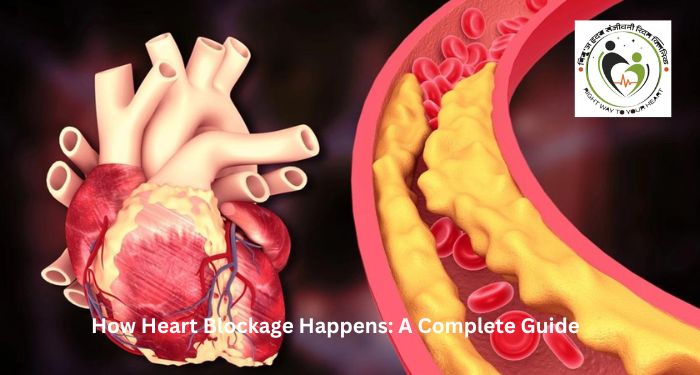
Heart blockage, also known as coronary artery disease, is one of the leading causes of heart attacks worldwide. It occurs when the arteries supplying blood to the heart become narrow or blocked due to the buildup of fatty deposits. Understanding how this condition develops is crucial for prevention and timely treatment. Consulting a qualified heart specialist in Nashik can help detect and manage heart problems effectively.
What is Heart Blockage?
Heart blockage happens when the coronary arteries, which supply oxygen-rich blood to the heart muscles, become partially or completely blocked. This blockage restricts blood flow, leading to chest pain and increasing the risk of heart attacks.
Seeking timely care from an experienced cardiologist in Nashik ensures early diagnosis and better outcomes.
How Does Heart Blockage Develop?
Heart blockage develops gradually over time. The process begins with the buildup of fatty substances like cholesterol in the inner walls of arteries. This buildup is called plaque.
As plaque accumulates, the arteries become narrow, reducing blood flow. Over time, the plaque can rupture, leading to the formation of a blood clot that can completely block the artery.
This process is known as atherosclerosis and is the main cause of heart blockage. Consulting a heart specialist in Nashik can help identify early signs and prevent progression.
Causes of Heart Blockage
Several factors contribute to the development of heart blockage. One of the primary causes is high cholesterol levels, which lead to plaque formation in the arteries.
High blood pressure damages the artery walls, making them more prone to plaque buildup. Smoking is another major risk factor, as it reduces oxygen levels and damages blood vessels.
Diabetes, obesity, lack of physical activity, and unhealthy eating habits also increase the risk. Genetics can also play a role, making some individuals more susceptible. Regular check-ups with a cardiologist in Nashik can help manage these risk factors.
Symptoms of Heart Blockage
Heart blockage may not show symptoms in its early stages. As the condition progresses, patients may experience chest pain or discomfort, often described as pressure or tightness.
Other symptoms include shortness of breath, fatigue, dizziness, and pain in the arms, neck, or jaw. In severe cases, a sudden heart attack may occur.
If you experience any of these symptoms, seek immediate medical attention from a heart specialist in Nashik.
Diagnosis of Heart Blockage
Early diagnosis is key to preventing serious complications. Doctors may recommend tests such as ECG (electrocardiogram), stress test, echocardiography, or angiography to assess heart function and detect blockages.
Angiography is one of the most accurate methods to identify blocked arteries. Visiting a trusted cardiologist in Nashik ensures proper diagnosis and timely treatment.
Treatment Options for Heart Blockage
Treatment depends on the severity of the blockage. In mild cases, lifestyle changes and medications may be sufficient to control the condition.
Medications such as blood thinners, cholesterol-lowering drugs, and blood pressure medications are commonly prescribed.
In more severe cases, procedures like angioplasty are performed to open blocked arteries. During this procedure, a small balloon is used to widen the artery, and a stent may be placed to keep it open.
In critical conditions, bypass surgery may be required to restore blood flow. Consulting an experienced heart specialist in Nashik ensures the best treatment approach.
Prevention Tips for Heart Blockage
Preventing heart blockage involves adopting a healthy lifestyle. Eating a balanced diet low in saturated fats and high in fruits, vegetables, and whole grains is essential.
Regular exercise helps maintain a healthy weight and improves heart health. Avoiding smoking and limiting alcohol consumption significantly reduces risk.
Managing stress, controlling blood pressure, and keeping diabetes under control are also important steps. Regular health check-ups with a cardiologist in Nashik help in early detection and prevention.
When to See a Heart Specialist?
You should consult a doctor if you experience chest pain, shortness of breath, or unexplained fatigue. Individuals with risk factors such as high cholesterol, diabetes, or a family history of heart disease should undergo regular screening.
Early consultation with a heart specialist in Nashik can prevent life-threatening complications and ensure better heart health.
Conclusion
Heart blockage is a serious condition that develops over time but can be managed and prevented with the right approach. Understanding its causes, symptoms, and treatment options is the first step towards a healthier life.
If you are at risk or experiencing symptoms, do not ignore them. Consult an experienced heart specialist in Nashik for timely diagnosis and effective treatment. Your heart health is in your hands—take action today.
FAQs
1. What causes heart blockage?
Heart blockage is mainly caused by cholesterol buildup, high blood pressure, smoking, and unhealthy lifestyle habits.
2. Can heart blockage be cured?
It can be managed effectively with medications, lifestyle changes, and procedures like angioplasty or surgery.
3. What are the early symptoms of heart blockage?
Early symptoms include chest discomfort, fatigue, and shortness of breath.
4. Is angioplasty safe?
Yes, angioplasty is a commonly performed and safe procedure when done by an experienced cardiologist.
5. Where can I find the best heart specialist in Nashik?
You can consult a qualified and experienced cardiologist in Nashik for proper diagnosis and treatment.