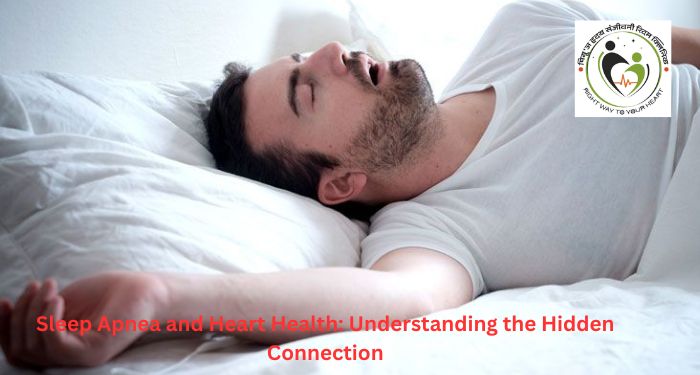
Sleep is essential for maintaining overall health, but many people unknowingly suffer from sleep apnea—a condition that repeatedly interrupts breathing during sleep. While loud snoring and daytime fatigue are common signs, sleep apnea can also have a significant impact on heart health. If left untreated, it may increase the risk of high blood pressure, irregular heartbeats, heart attack, heart failure, and stroke.
Understanding the connection between sleep apnea and cardiovascular health can help you seek timely treatment and reduce long-term complications. If you experience symptoms of sleep apnea or have existing heart problems, consulting an experienced Heart Specialist in Nashik can help you receive the right diagnosis and treatment.
What Is Sleep Apnea?
Sleep apnea is a sleep disorder in which breathing repeatedly stops and starts during sleep. These pauses in breathing can last from a few seconds to over a minute and may occur multiple times throughout the night.
The most common types include:
1. Obstructive Sleep Apnea (OSA)
This is the most common type and occurs when the muscles in the throat relax excessively, blocking the airway.
2. Central Sleep Apnea
This occurs when the brain temporarily fails to send proper signals to the muscles responsible for breathing.
3. Complex Sleep Apnea Syndrome
A combination of obstructive and central sleep apnea.
Among these, obstructive sleep apnea is the type most commonly linked with cardiovascular disease.
How Does Sleep Apnea Affect the Heart?
Every time breathing stops during sleep, oxygen levels in the blood decrease. The brain senses this lack of oxygen and briefly wakes the person to restart breathing. Although these awakenings are often so brief that they are not remembered, they disrupt normal sleep and place repeated stress on the cardiovascular system.
Over time, untreated sleep apnea can:
- Increase blood pressure
- Raise heart rate
- Trigger inflammation
- Reduce oxygen supply to the heart
- Increase stress hormone levels
- Damage blood vessels
- Increase strain on the heart muscle
This ongoing stress can significantly raise the risk of serious heart conditions.
Common Symptoms of Sleep Apnea
Many people are unaware they have sleep apnea because symptoms occur during sleep.
Common signs include:
- Loud snoring
- Gasping or choking during sleep
- Pauses in breathing noticed by a partner
- Morning headaches
- Dry mouth on waking
- Excessive daytime sleepiness
- Difficulty concentrating
- Poor memory
- Irritability
- Fatigue despite adequate sleep
If these symptoms are present, it is important to consult both a sleep medicine expert and a cardiologist in Nashik for a comprehensive evaluation.
Heart Conditions Linked to Sleep Apnea
1. High Blood Pressure (Hypertension)
Sleep apnea is one of the leading causes of resistant hypertension.
Repeated oxygen deprivation causes the body to release stress hormones that keep blood pressure elevated even during the day.
2. Irregular Heart Rhythm (Arrhythmias)
Sleep apnea increases the risk of abnormal heart rhythms such as atrial fibrillation.
These rhythm disturbances may increase the likelihood of stroke if left untreated.
3. Coronary Artery Disease
Reduced oxygen levels and chronic inflammation can contribute to plaque buildup in the arteries supplying the heart.
This increases the risk of chest pain and heart attacks.
4. Heart Failure
Untreated sleep apnea forces the heart to work harder over time.
This extra workload may contribute to the development or worsening of heart failure.
5. Heart Attack
People with untreated sleep apnea have a higher risk of heart attacks, particularly during the early morning hours when oxygen levels fluctuate significantly.
6. Stroke
Sleep apnea can increase the risk of stroke by promoting high blood pressure, abnormal heart rhythms, and poor circulation.
Who Is at Risk?
Several factors increase the likelihood of developing sleep apnea.
These include:
- Obesity
- Large neck circumference
- Male gender
- Age over 40
- Family history
- Smoking
- Alcohol consumption
- Diabetes
- High blood pressure
- Enlarged tonsils
- Nasal obstruction
How Is Sleep Apnea Diagnosed?
Early diagnosis is essential for protecting heart health.
Medical History
Your doctor will ask about:
- Snoring
- Daytime sleepiness
- Sleeping habits
- Existing heart conditions
Physical Examination
The airway, neck size, blood pressure, and heart function may be evaluated.
Sleep Study (Polysomnography)
This is the gold standard test for diagnosing sleep apnea. It records:
- Breathing patterns
- Oxygen levels
- Heart rate
- Brain activity
- Body movements
Home Sleep Apnea Testing
Some individuals may qualify for a simplified sleep study at home.
Treatment Options
Treatment depends on the severity of the condition.
Lifestyle Modifications
Many mild cases improve with healthy lifestyle changes.
These include:
- Weight loss
- Regular exercise
- Sleeping on the side
- Avoiding alcohol before bedtime
- Quitting smoking
CPAP Therapy
Continuous Positive Airway Pressure (CPAP) is considered the most effective treatment for moderate to severe obstructive sleep apnea.
It keeps the airway open by delivering gentle air pressure throughout the night.
Oral Appliances
Custom-made dental devices help reposition the jaw and tongue to keep the airway open.
Surgery
In selected patients, surgery may be recommended to remove airway obstruction or correct structural abnormalities.
Protecting Your Heart
Managing sleep apnea not only improves sleep quality but also supports cardiovascular health.
Healthy habits include:
- Maintaining a healthy weight
- Exercising regularly
- Managing blood pressure
- Controlling diabetes
- Eating a heart-friendly diet
- Getting adequate sleep
- Taking prescribed medications consistently
Regular follow-up with a Heart Specialist in Nashik helps monitor your heart health and reduce the risk of future complications.
When Should You Consult a Heart Specialist?
Seek medical attention if you experience:
- Loud snoring with breathing pauses
- Persistent daytime sleepiness
- Chest pain
- High blood pressure that is difficult to control
- Palpitations
- Shortness of breath
- Swelling in the legs
- Fainting episodes
An experienced cardiologist in Nashik can assess whether sleep apnea is affecting your cardiovascular health and coordinate treatment with a sleep medicine specialist.
Preventing Sleep Apnea-Related Heart Problems
Although not every case can be prevented, these measures can reduce the risk:
- Maintain a healthy body weight.
- Follow a balanced diet.
- Stay physically active.
- Avoid smoking and excessive alcohol intake.
- Sleep for 7–9 hours each night.
- Treat high blood pressure, diabetes, and high cholesterol.
- Seek evaluation if you snore heavily or feel excessively tired during the day.
Early diagnosis and treatment can significantly lower the risk of cardiovascular complications.
Conclusion
Sleep apnea is more than just a sleep disorder—it can have a profound impact on heart health. Repeated interruptions in breathing reduce oxygen levels, increase blood pressure, and place ongoing stress on the heart, raising the risk of hypertension, arrhythmias, heart attack, heart failure, and stroke. Recognizing the symptoms early and seeking timely medical care can improve both sleep quality and overall cardiovascular well-being.
If you experience loud snoring, daytime fatigue, or have existing heart disease, consult an experienced Heart Specialist in Nashik. A qualified cardiologist in Nashik, cardiac specialist in Nashik, or heart doctor in Nashik can work with sleep medicine experts to diagnose sleep apnea and develop a personalized treatment plan to protect your heart.
Frequently Asked Questions
1. Can sleep apnea affect heart health?
Yes. Untreated sleep apnea can increase the risk of high blood pressure, irregular heart rhythms, heart attack, heart failure, and stroke.
2. What are the warning signs of sleep apnea?
Common symptoms include loud snoring, pauses in breathing during sleep, gasping for air, morning headaches, daytime sleepiness, and difficulty concentrating.
3. Can treating sleep apnea improve heart health?
Yes. Effective treatment, such as CPAP therapy and lifestyle changes, can improve sleep quality and reduce strain on the heart.
4. Who is at higher risk for sleep apnea?
People who are overweight, have high blood pressure, diabetes, smoke, consume alcohol regularly, or have a family history of sleep apnea are at increased risk.
5. When should I see a heart specialist?
You should consult a Heart Specialist in Nashik if you have symptoms of sleep apnea along with chest pain, palpitations, uncontrolled high blood pressure, or other signs of heart disease.
Leave a Reply