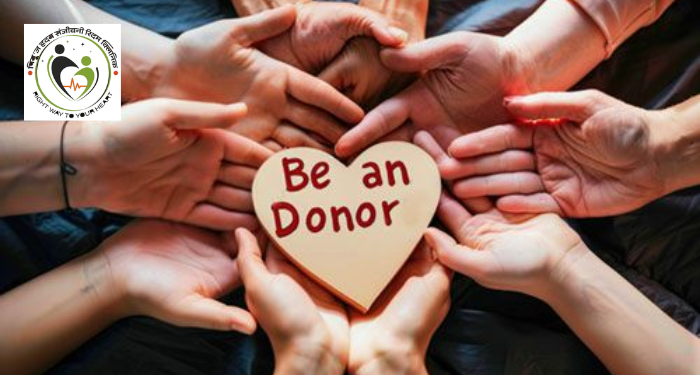
Organ donation is one of the most meaningful ways to give someone a second chance at life. When a person donates organs after death, those organs may help patients suffering from serious and life-threatening diseases. Among all forms of organ transplantation, heart transplantation can be particularly significant for people with advanced heart disease whose heart can no longer function effectively despite medical treatment.
Understanding Organ Donation
Organ donation involves giving healthy organs or tissues to another person who needs a transplant. Depending on the circumstances, organs such as the heart, kidneys, liver, lungs, pancreas, and intestines may be donated.
A donated organ can provide an opportunity for a patient to continue living with improved health and functionality. However, successful transplantation depends on several medical factors, including donor suitability, recipient condition, organ compatibility, and timely medical coordination.
Organ donation is not simply about donating an organ. It is about giving hope to another family and potentially transforming someone’s future.
Why Heart Donation Matters
The heart is responsible for continuously pumping blood throughout the body. It supplies oxygen and nutrients to vital organs and helps maintain normal body functions.
Some patients develop end-stage heart failure, where the heart becomes severely weakened and cannot adequately support the body’s needs. Medicines, lifestyle changes, devices, and surgical procedures may help many patients, but in selected advanced cases, heart transplantation may be considered.
For an appropriate recipient, a donated heart can become an important treatment option when other therapies are no longer sufficient.
Who May Need a Heart Transplant?
Heart transplantation may be considered for carefully selected patients with severe heart conditions, such as:
❯❯ Advanced heart failure
❯❯ Severe cardiomyopathy
❯❯ Certain congenital heart conditions
❯❯ Advanced coronary artery disease
❯❯ Serious heart disease that does not respond adequately to standard treatment
Not every patient with heart disease requires transplantation. Cardiologists and transplant teams carefully evaluate the patient’s medical history, heart function, overall health, and suitability before recommending this option.
The Journey from Donation to Transplantation
Organ donation involves a highly coordinated medical process. When organ donation is possible, specialized medical teams evaluate the donated organs and identify suitable recipients according to established medical criteria.
For heart transplantation, timing is especially important because the donated heart must be transplanted within a limited period after recovery. This requires coordination between donor hospitals, transplant centers, medical teams, and the recipient.
The process is carefully regulated to ensure that donated organs are allocated according to applicable medical and legal guidelines.
One Donation Can Help Multiple People
One donor may be able to help several people through organ and tissue donation. The heart may help one recipient, while other donated organs can potentially help additional patients.
This makes the decision to donate extremely meaningful. A single act of generosity can potentially benefit multiple families.
Organ donation also creates a lasting legacy. While the loss of a loved one can be deeply painful, knowing that donation may help another person continue their life can provide a sense of meaning during a difficult time.
Importance of Organ Donation Awareness
Many people are willing to support organ donation but may not know how the process works. Awareness can help individuals and families understand the importance of making informed decisions.
Discussing organ donation with family members is also important. When families understand a person’s wishes, it can make decision-making easier during difficult circumstances.
People should obtain information about organ donation from authorized healthcare organizations and follow the applicable registration and consent procedures in their region.
Heart Health and Early Medical Care
Organ donation is important, but preventing severe heart disease remains equally valuable. Regular health check-ups, healthy eating, physical activity, avoiding tobacco, managing blood pressure and diabetes, and maintaining healthy cholesterol levels can support cardiovascular health.
Symptoms such as persistent chest discomfort, breathlessness, unusual fatigue, swelling of the legs, palpitations, or reduced ability to perform everyday activities should not be ignored.
Early evaluation can help identify cardiovascular problems and allow appropriate treatment before the condition becomes advanced.
If you are searching for a Best cardiologist in Nashik, choose a qualified specialist who can evaluate your symptoms and provide treatment based on your individual medical needs.
How Families Can Support Organ Donation
Families can contribute to organ donation awareness by:
❯❯ Learning about the donation process
❯❯ Discussing donation wishes with family members
❯❯ Understanding the applicable consent and registration procedures
❯❯ Sharing reliable information with others
❯❯ Supporting evidence-based organ donation awareness programs
Every family should make decisions based on accurate medical information and applicable laws.
Heart Transplantation Is a Team Effort
A heart transplant is not performed by one doctor alone. It involves a multidisciplinary team that may include cardiologists, cardiac surgeons, transplant specialists, anesthetists, nurses, coordinators, and other healthcare professionals.
After transplantation, the recipient requires lifelong medical follow-up and prescribed anti-rejection medicines. Regular monitoring is essential to assess heart function and identify potential complications at an early stage.
The transplant journey therefore continues well beyond the operation itself.
Giving Hope Through Organ Donation
Organ donation represents generosity, compassion, and the possibility of giving another person more time with their family. For patients with severe heart disease, a donated heart may provide an opportunity when other treatment options are no longer enough.
At the same time, transplantation should always be understood as a complex medical treatment requiring careful evaluation, appropriate matching, specialized facilities, and long-term follow-up.
Conclusion
Organ donation can affect one life—and potentially many lives. Heart donation, in particular, can offer a treatment opportunity to selected patients living with advanced heart disease and severe heart failure.
Creating awareness, discussing donation wishes with loved ones, and learning from reliable medical sources can help more people understand the importance of organ donation.
For anyone experiencing ongoing heart-related symptoms, timely consultation with a qualified specialist is important. If you are looking for a Best cardiologist in Nashik, professional cardiac evaluation can help determine the appropriate treatment and care for your heart health.
Leave a Reply