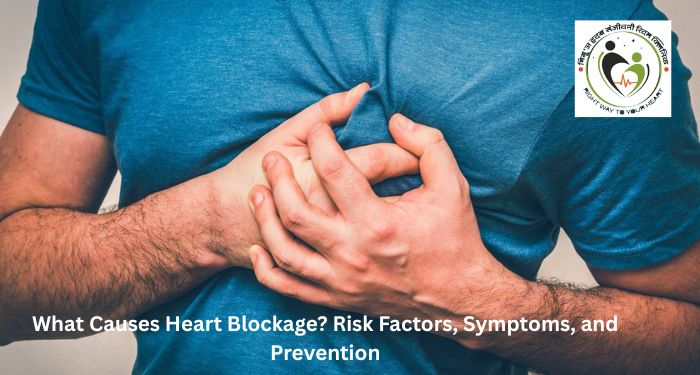
Heart blockage is one of the most serious cardiovascular conditions affecting people today. It occurs when the arteries supplying blood to the heart become narrowed or blocked due to plaque buildup. This reduces blood flow and can lead to chest pain, heart attack, or other life-threatening complications.
Early diagnosis and treatment from an experienced Cardiologist in Nashik can help prevent severe heart problems and improve long-term health outcomes.
What Is Heart Blockage?
Heart blockage, also known as coronary artery disease, happens when fatty deposits called plaque accumulate in the arteries. Over time, these deposits harden and narrow the arteries, restricting blood flow to the heart muscle.
If the blockage becomes severe, it can completely stop blood flow and cause a heart attack.
Causes of Heart Blockage
Several factors contribute to artery blockage:
High Cholesterol
Excess bad cholesterol (LDL) leads to plaque formation in arteries.
High Blood Pressure
Increased pressure damages artery walls, making them prone to blockage.
Smoking
Tobacco damages blood vessels and accelerates plaque buildup.
Diabetes
High blood sugar levels damage arteries over time.
Unhealthy Diet
High intake of fried, fatty, and processed foods increases risk.
Lack of Physical Activity
A sedentary lifestyle weakens heart health.
Risk Factors
You are at higher risk if you have:
- Family history of heart disease
- Obesity or overweight
- High stress levels
- Smoking or alcohol habits
- Age above 40
- Diabetes or hypertension
Symptoms of Heart Blockage
Symptoms may develop gradually or suddenly:
- Chest pain or tightness (angina)
- Shortness of breath
- Fatigue during physical activity
- Pain in arms, neck, jaw, or back
- Irregular heartbeat
- Dizziness or sweating
If you experience these symptoms, consult a Cardiologist in Nashik immediately.
How Heart Blockage Is Diagnosed
Doctors may recommend:
- ECG (Electrocardiogram)
- TMT (Stress Test)
- 2D Echo
- Angiography
- Blood tests
Early diagnosis helps prevent complications like heart attack.
Treatment Options
Treatment depends on severity:
Lifestyle Changes
Healthy diet, exercise, and quitting smoking.
Medications
Cholesterol-lowering drugs, blood thinners, and blood pressure medicines.
Angioplasty
A minimally invasive procedure to open blocked arteries.
Bypass Surgery
Recommended in severe blockage cases.
Prevention of Heart Blockage
Eat a Heart-Healthy Diet
Include fruits, vegetables, whole grains, and healthy fats.
Exercise Regularly
At least 30 minutes of daily activity improves heart health.
Control Blood Pressure and Sugar
Regular monitoring is essential.
Avoid Smoking and Alcohol
These significantly increase heart disease risk.
Manage Stress
Meditation and yoga help maintain heart health.
When Should You See a Cardiologist?
Consult a Cardiologist in Nashik if you experience:
- Chest pain or pressure
- Frequent shortness of breath
- Unexplained fatigue
- Family history of heart disease
- High blood pressure or diabetes
Early consultation can save lives.
Conclusion
Heart blockage is a serious but preventable condition. Understanding its causes, symptoms, and risk factors can help you take timely action. Healthy lifestyle choices and regular checkups are key to maintaining a strong heart.
If you notice any warning signs, consult a trusted Cardiologist in Nashik for proper evaluation and treatment.
FAQs
1. What is the main cause of heart blockage?
High cholesterol, smoking, diabetes, and unhealthy lifestyle are major causes.
2. Can heart blockage be reversed?
Early-stage blockage can be managed with lifestyle changes and medication.
3. Is chest pain always a sign of heart blockage?
Not always, but it should never be ignored and must be checked.
4. What tests detect heart blockage?
ECG, TMT, echocardiography, and angiography are commonly used.
5. How can I prevent heart blockage?
Healthy diet, regular exercise, and avoiding smoking help reduce risk.
Leave a Reply